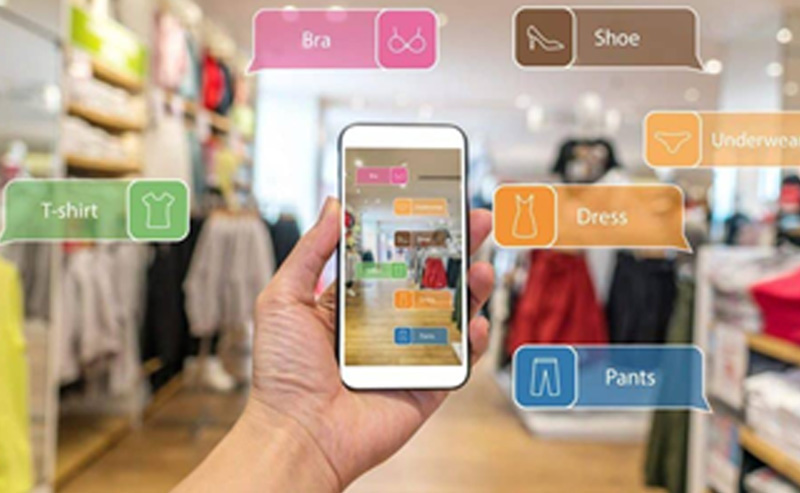
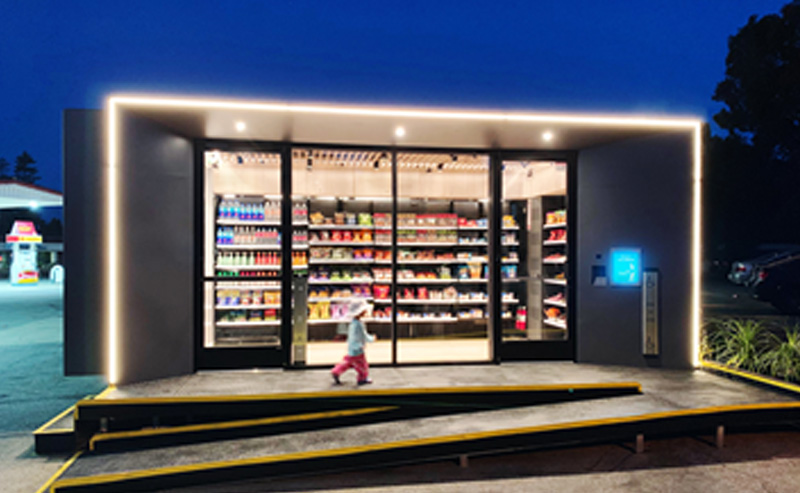
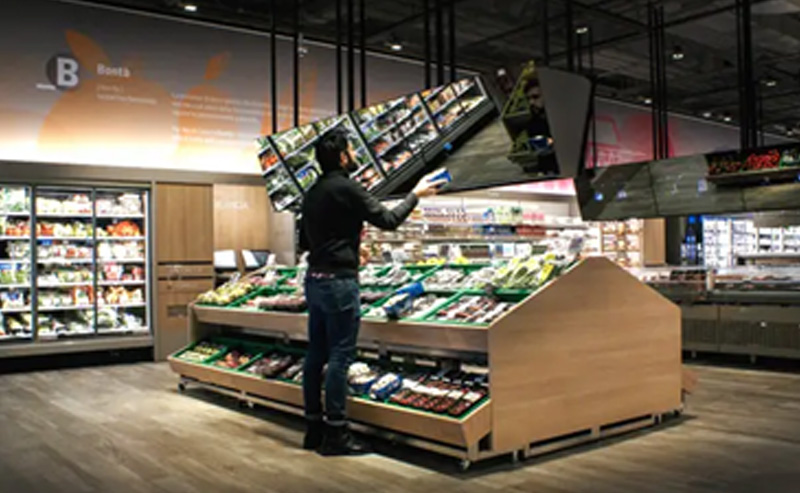
Design in the future must also take into consideration behavior analysis to improve spaces, adapt sanitization technology to quickly improve hygiene in high traffic areas, improve building systems such as air purification and ventilation, integrate artificial intelligence to customize the commercial experience, automate the supply chain as much as possible as well as certain client interactions to encourage physical distancing.
We expect many changes in architectural and interior design, such as the increased use of spaces that adapt to the needs of the clientele and the business or the reduction of spaces for traditional retail, turning to “resimercial” design and creating more comfortable home-like stores to encourage clients to spend more time in the space. Micro mobility, decentralization of commercial spaces and introduction of spaces to facilitate ecommerce and delivery systems could help in reducing the amount of people, while special areas or even stores could be dedicated to “high risk” people like the elderly or immunosuppressed people. Increased interest in nature and the outdoors should also encourage strong design connection to the outdoors.
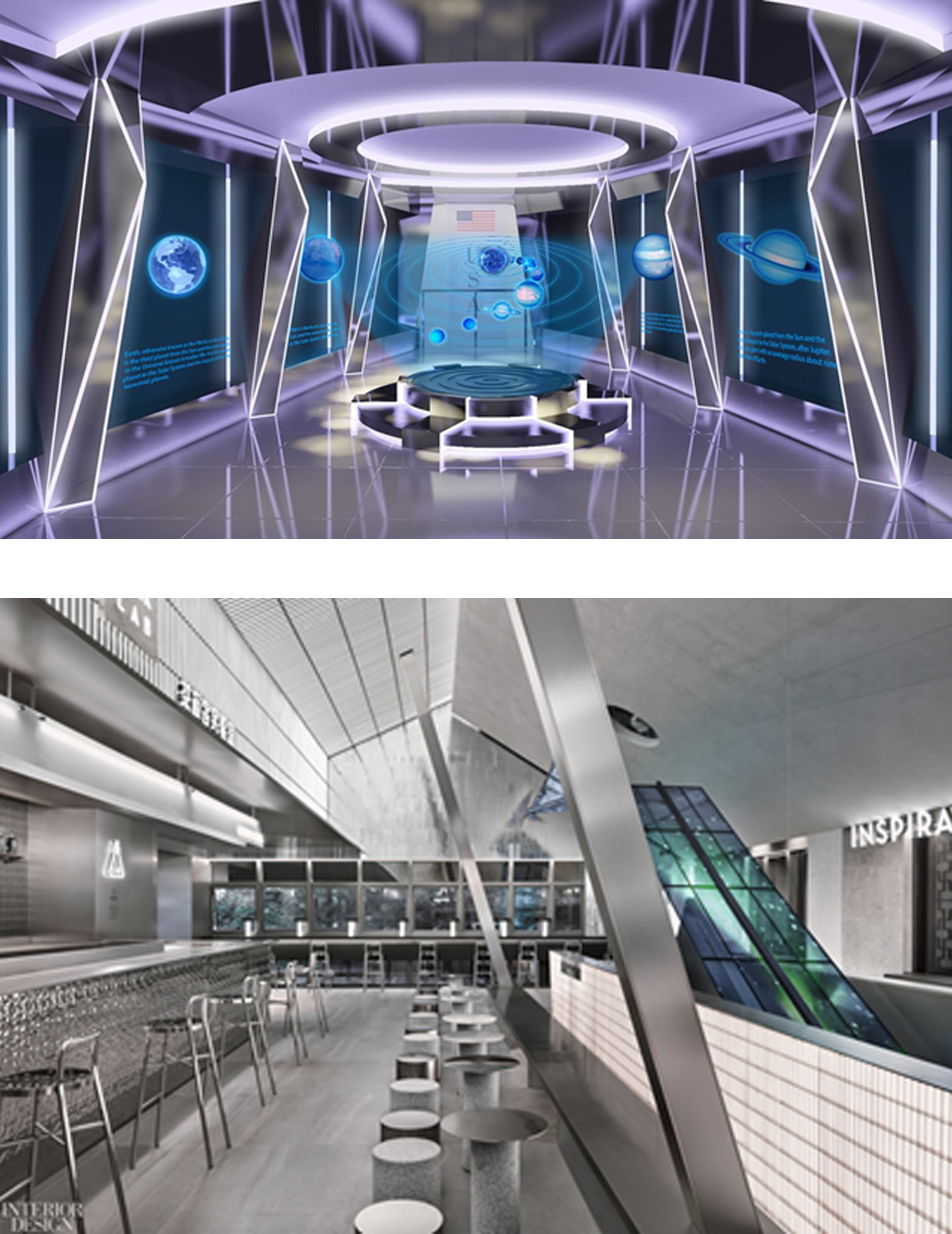
We, as a designer of physical and digital experiences, we are ready to guide the most important changes retailers should embrace today. We believe that in an increasingly saturated market, brands should create seamless user experiences and unified brand impressions that define, inspire and engage consumers.
And designers, who know how to shape the future, are here to help them achieve this goal adapting it to the needs of the New Normal.